Friday, November 22, 2024

Step into Simplicity: Build Your Own Lean-To Shed for Less

Step into Simplicity: Build Your Own Lean-To Shed for Less

Step into Simplicity: Build Your Own Lean-To Shed for Less

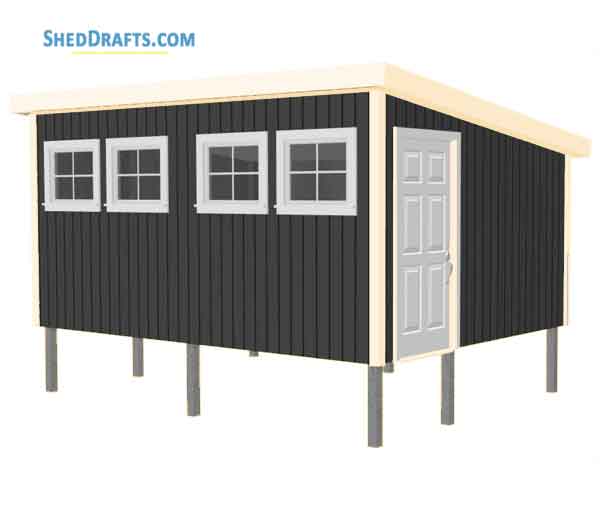
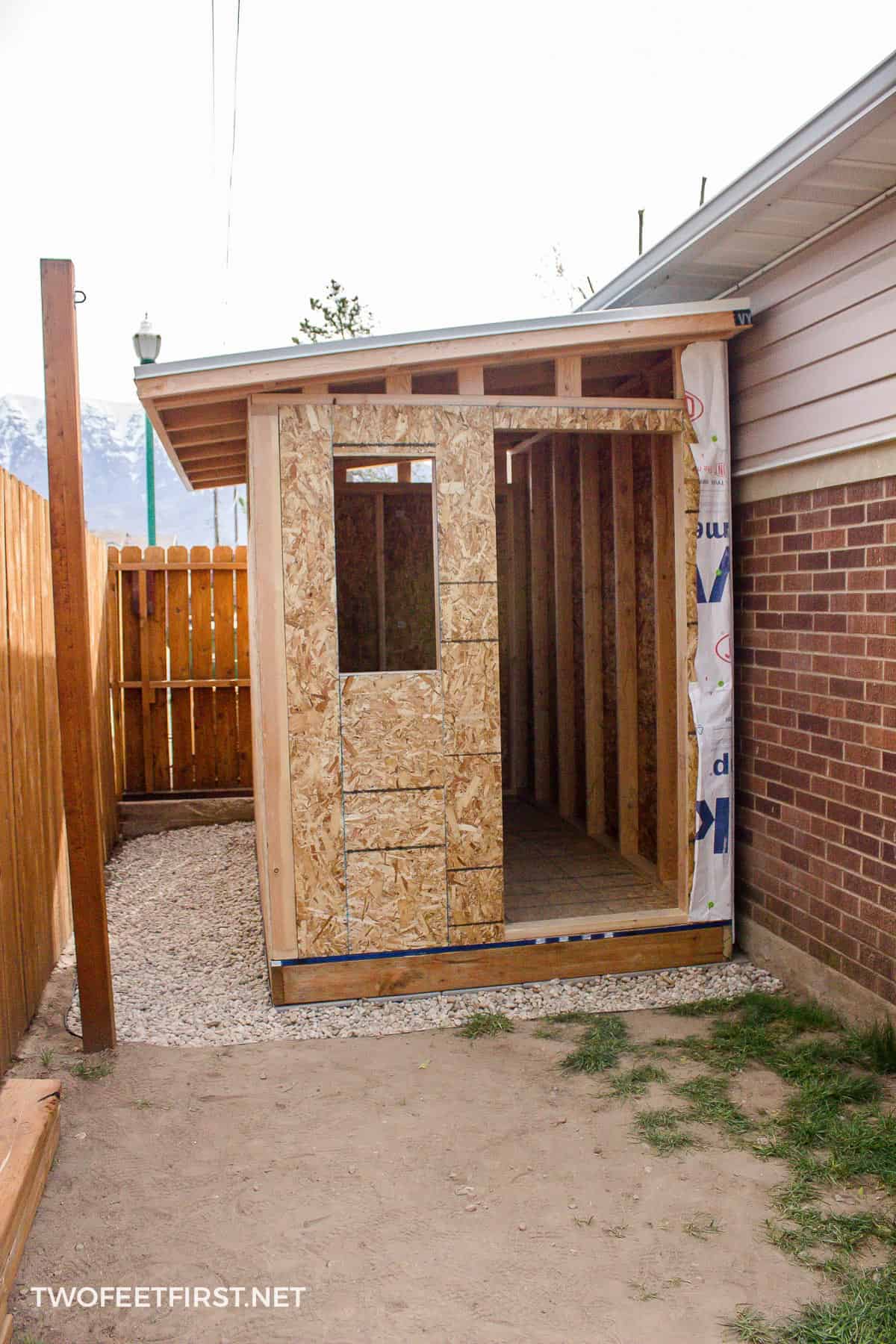
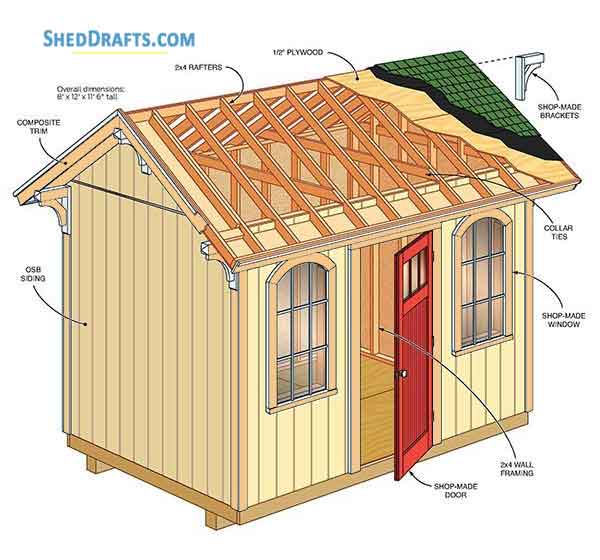
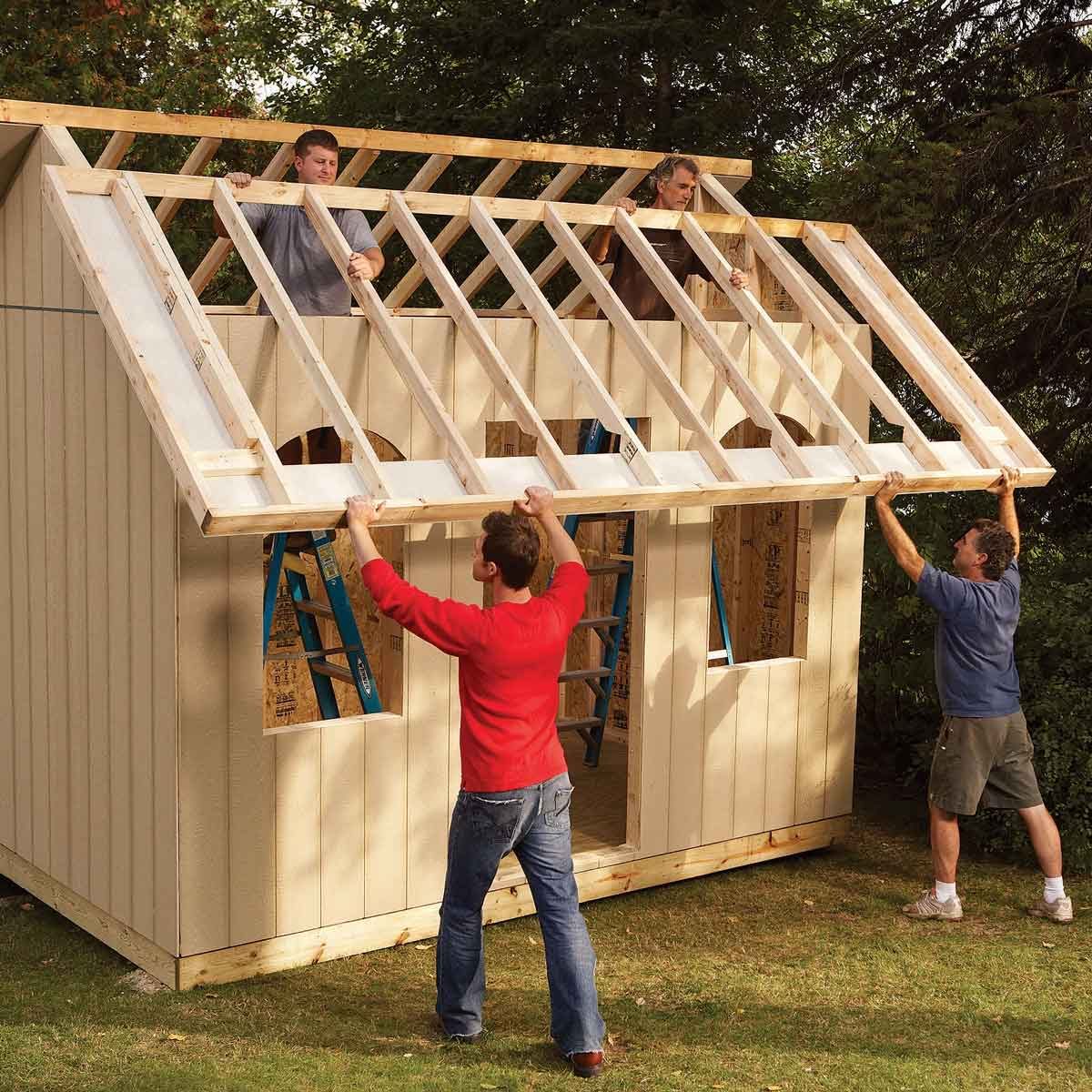
Tired of cluttered garages and overflowing storage spaces? Yearning for a simple, affordable solution to your outdoor storage needs? Then consider building your own lean-to shed! This project offers a rewarding blend of practicality and affordability, allowing you to create valuable extra space without breaking the bank. Forget expensive pre-fabricated structures; with a little elbow grease and this guide, you’ll construct a functional and aesthetically pleasing lean-to shed that perfectly complements your property.

Planning Your Lean-To Shed: Laying the Foundation for Success

Before you even pick up a hammer, careful planning ensures a smooth and efficient build. First, determine the size and location of your shed. Consider the available space against an existing structure (house, garage, fence) and how much storage you need. Sketch a simple design, noting dimensions and materials. Next, secure the necessary permits from your local councilâ€"this step is crucial and varies by region. Don't skip it! Finally, acquire your building materials. Opt for pressure-treated lumber for durability and longevity, especially for the base and support posts. This initial planning phase sets the stage for a successful project.

Gathering Your Materials: A Comprehensive Checklist

Building a lean-to shed requires specific materials; having them ready before you begin ensures a streamlined process. This list provides a solid starting point, but adjust quantities based on your shed’s dimensions:

  • Pressure-treated lumber for the base frame and support posts.
  • Untreated lumber for the roof rafters and sheathing.
  • Roofing material (metal, asphalt shingles, or polycarbonate panels).
  • Concrete blocks or posts for the foundation (depending on your soil conditions).
  • Exterior-grade screws and nails.
  • Building felt or roofing underlayment.
  • Measuring tape, level, saw, hammer, drill, and other basic tools.

Consider sourcing materials from local lumber yards or recycling centers to save costs. Remember to factor in extra material for cuts and potential errors.

Construction: Building Your Lean-To Step-by-Step

Foundation and Framing:

Begin by constructing a level foundation using concrete blocks or setting pressure-treated posts in concrete. This provides a stable base for your shed. Next, erect the frame using pressure-treated lumber, ensuring it’s plumb and square. Use strong screws and bracing to create a robust structure. Remember to account for the angle of your lean-to roof; a slight incline ensures proper water runoff.

Roofing and Sheathing:

Attach the roof rafters to the frame, creating the desired slope. Then, add sheathing (plywood or OSB) to provide a solid base for the roofing material. Apply building felt or underlayment before installing your chosen roofing material. This will protect the shed from moisture. Secure the roofing carefully, following manufacturer instructions to ensure waterproofing and longevity.

Finishing Touches:

Once the roof is complete, add any desired finishing touches. Consider adding a door for easy access and perhaps a small window for ventilation and natural light. A coat of exterior paint or sealant will protect the wood and enhance the shed's aesthetics. Remember safety throughout the building process â€" always wear appropriate safety gear.

Enjoy Your New Space!

With your new lean-to shed complete, enjoy the satisfaction of a job well done and the added storage space. You’ve not only saved money but also gained valuable skills. Remember to regularly maintain your shed to ensure its longevity. This simple project proves that creating functional, beautiful outdoor space can be both affordable and rewarding.

Continue reading

Thursday, November 21, 2024

How to Make a Pallet Shed DIY: Affordable Plans for Outdoor Storage

How to Make a Pallet Shed DIY: Affordable Plans for Outdoor Storage

How to Make a Pallet Shed DIY: Affordable Plans for Outdoor Storage

Tired of cluttered garages and overflowing tool sheds? Yearning for an organized outdoor space without breaking the bank? Then building your own pallet shed is the perfect solution! This comprehensive guide provides detailed instructions and affordable plans to help you construct a sturdy and attractive storage shed using reclaimed pallets, minimizing costs and maximizing your creativity. Get ready to transform your outdoor space with this surprisingly simple and rewarding project!

Planning Your Pallet Shed: Size and Materials

Before you dive into construction, carefully plan your shed's dimensions and gather the necessary materials. Consider the space available and the amount of storage you need. A smaller shed might be ideal for tools and gardening supplies, while a larger one could house bicycles, outdoor furniture, or even a small workshop. Sketch a simple design to visualize the final product and determine the number of pallets required. Remember, pallet quality varies; inspect them thoroughly for rot, damage, and loose nails before starting. You'll need enough sturdy pallets to form the walls, roof, and floor, plus extra for repairs or potential replacements.

Essential Materials Beyond Pallets

Beyond the reclaimed pallets, you'll need additional materials to secure the structure and enhance its durability and appearance. This includes:

  • Concrete blocks or a suitable foundation: Provides a level base and prevents rot.
  • Pressure-treated lumber: For the framing, supports, and roof structure, ensuring long-term stability and weather resistance.
  • Screws and nails: Choose galvanized or exterior-grade fasteners to prevent rust.
  • Roofing material: Tarps, corrugated metal sheeting, or asphalt shingles, depending on your budget and aesthetic preference.
  • Plywood or OSB (Oriented Strand Board): For sheathing and added strength to the walls and roof.
  • Optional: Exterior paint or stain to protect the wood and enhance the shed's appearance.

Construction Steps: Building Your Pallet Shed

Building your pallet shed is a step-by-step process that even a novice DIYer can manage. Begin by preparing a level foundation using concrete blocks or another suitable method. Then, carefully assemble the pallet walls, ensuring they're sturdy and plumb. Secure them to the foundation using appropriate fasteners. For added strength, consider adding vertical supports within the pallet walls and bracing between the pallets themselves. Remember to leave space for a door!

Roof Construction and Finishing Touches

Construct the roof frame using pressure-treated lumber, creating a sturdy structure capable of supporting your chosen roofing material. Attach the plywood or OSB sheathing to the roof frame before applying the roofing material. Carefully install the roofing material, ensuring it's watertight and securely fastened. Once the roof is complete, add a door and any desired windows or vents. Finally, consider applying paint or stain to enhance the shed's appearance and protect the wood from the elements.

Safety Precautions and Tips

Safety is paramount when working with tools and building materials. Always wear safety glasses, gloves, and appropriate footwear. Use caution when handling power tools and follow manufacturer's instructions carefully. Pre-drill holes before driving screws into the pallets to prevent splitting. Check local building codes and regulations before beginning your project to ensure compliance. For added security, consider installing a lock on the door.

Building your own pallet shed is a rewarding experience, offering significant cost savings compared to buying a pre-built shed. This project not only provides valuable storage space but also allows you to showcase your DIY skills and creativity. So, gather your materials, follow these instructions, and get ready to enjoy your brand-new, budget-friendly pallet shed!

Continue reading

Download Your Pallet Shed Plans PDF for a Simple and Affordable Build

Download Your Pallet Shed Plans PDF for a Simple and Affordable Build

Download Your Pallet Shed Plans PDF for a Simple and Affordable Build

Hey there, fellow DIY enthusiasts! Are you dreaming of a new shed but cringing at the price tag? Let's be honest, building a shed from scratch can be expensive. Materials alone can drain your bank account faster than you can say "pressure-treated lumber." But what if I told you there's a way to build a sturdy, useful shed without breaking the bank? It's simpler than you think: repurposed pallets!

This guide will walk you through everything you need to know to build your very own pallet shed. We'll cover everything from the planning stages to the final touches, providing you with the information you need to build a shed you'll be proud of, all while keeping your wallet happy.

And the best part? I'm going to give you access to downloadable pallet shed plans in PDF format, so you can start building right away! Just keep reading to find out how.

Why Choose a Pallet Shed?

Before we dive into the plans, let's talk about why building with pallets is such a smart move. It's not just about saving money (although that's a huge plus!). There are several compelling reasons to choose reclaimed pallet wood for your shed project:

  • Cost-effective: Pallets are often free or very cheap to acquire. Check with local businesses â€" many are happy to get rid of them!
  • Eco-friendly: Repurposing pallets is a sustainable choice, reducing waste and giving these materials a new life.
  • Rustic charm: Pallet wood lends a unique, rustic aesthetic that many people love. It adds character to your outdoor space.
  • Durable (with proper preparation): While not all pallets are created equal, carefully selected and treated pallets can be surprisingly strong and long-lasting.

Planning Your Pallet Shed: Before You Start Hammering

Before you grab your hammer and nails, take some time to plan your project. This crucial step will save you headaches (and potential rework) down the line.

Size and Location

First, consider the size of your shed. How much storage space do you need? How much room do you have in your yard? Measure your available space carefully and design your shed accordingly. Remember to check local building codes regarding shed size and placement.

Choosing Your Pallets

Not all pallets are created equal. Some are made of treated lumber (often marked with an "HT" stamp), which is better suited for outdoor projects. Others are made of untreated wood. Avoid pallets that have been treated with chemicals that are hazardous to humans. Inspect each pallet carefully for rot, damage, or infestation before using it. You'll need a significant number, so start collecting well in advance!

Tools and Materials

Gather your tools and materials. Beyond the pallets themselves, you'll need things like:

  • Hammer or nail gun
  • Screws or nails
  • Saw (circular saw or hand saw)
  • Measuring tape
  • Level
  • Safety glasses
  • Gloves
  • Optional: Wood preservative, paint or stain, roofing materials

Downloadable Pallet Shed Plans (PDF)

Now for the good part! I've created a simple and detailed set of plans for a basic pallet shed. These plans will guide you through each step of the construction process, with clear diagrams and instructions. To access the PDF, simply [Insert Link or instructions to access the PDF here]. The plans will include detailed dimensions, material lists, and step-by-step instructions.

The plans are designed to be adaptable. Feel free to modify the design to fit your specific needs and preferences. If you're a beginner, this is a perfect starting point. If you're more experienced, you can easily customize it to create something even more elaborate.

Building Your Pallet Shed: Step-by-Step

While the detailed instructions are in the PDF, here's a general overview of the process:

  1. Foundation: Prepare a level base for your shed. This could be a simple gravel base, concrete slabs, or even a wooden platform.
  2. Framing: Construct the frame of your shed using the strongest and most structurally sound pallets. This is where precise measurements and good carpentry skills are crucial. Refer to the PDF for detailed diagrams.
  3. Wall Construction: Attach the remaining pallets to the frame to create the walls. Ensure they are securely fastened.
  4. Roofing: Build the roof structure, ensuring it's strong enough to support the roofing material you choose (tarps, corrugated metal, or even more pallets!).
  5. Finishing Touches: Add any finishing touches you desire, such as doors, windows, and a floor (if desired). Consider painting or staining your shed to protect the wood and enhance its appearance.

Tips for Success

  • Clean your pallets thoroughly: Remove any dirt, debris, nails, or staples before you begin construction.
  • Use appropriate fasteners: Galvanized nails or screws are recommended for outdoor use.
  • Treat the wood: Apply a wood preservative to protect the pallets from the elements and extend the life of your shed.
  • Work safely: Wear safety glasses and gloves throughout the construction process.
  • Take your time: Building a shed takes time and effort. Don't rush the process â€" take your time to do it right.

Frequently Asked Questions

Here are some common questions people ask about building a pallet shed:

Q: How long does it take to build a pallet shed?

A: The construction time depends on the size and complexity of your shed, as well as your experience level. A simple shed could take a weekend, while a more complex project might take several weekends.

Q: How much does it cost to build a pallet shed?

A: The cost will depend on whether you already have the tools and the number of pallets you are able to acquire for free or at low cost. If you have to purchase pallets, the cost may be slightly higher than you intended.

Q: Are pallet sheds sturdy enough?

A: When built correctly using sound structural techniques, a pallet shed can be surprisingly sturdy. The key is to choose strong pallets and to properly secure them during construction.

Q: What kind of permits do I need?

A: Building regulations vary by location. Check with your local council or planning department to determine whether you need any permits before you start building.

Q: Can I use any type of pallet?

A: No. It’s crucial to avoid pallets treated with chemicals harmful to humans or the environment. Look for "HT" stamped pallets, which indicate heat treatment, but always prioritize safety and check for any warnings or labels on the pallets.

I hope this guide has inspired you to build your own amazing pallet shed! Remember, with a little planning and effort, you can create a functional and attractive storage solution without emptying your wallet. Happy building!

Continue reading

How to Create a Lean-To Shed That’s Both Functional and Beautiful

How to Create a Lean-To Shed That’s Both Functional and Beautiful

Building Your Dream Lean-To Shed: Functional & Beautiful

So, you're dreaming of a lean-to shed â€" that perfect blend of extra storage and charming backyard addition. Fantastic! But let's be honest, the internet can be a bit overwhelming when you're tackling a project like this. So grab a cuppa, get comfy, and let's break down how to build a lean-to shed that's not only practical but also adds real curb appeal to your property.

Planning Your Perfect Lean-To

Before you even think about grabbing a hammer, some serious planning is key. This isn't just about throwing up some wood and calling it a day; we're aiming for something beautiful and long-lasting.

Location, Location, Location!

Where will your lean-to reside? Consider sunlight (for natural light!), proximity to your house (for easy access), and any existing structures or landscaping. Think about drainage too â€" you don't want a soggy shed! Check local building codes and regulations before you even begin â€" you might need permits, depending on the size and location.

Size and Functionality: What will you store?

How much space do you *really* need? Are you planning on storing gardening tools, bicycles, or something more substantial? A larger shed might require more robust construction. Measure twice, cut once (a classic, but oh-so-true!). Sketch out a basic plan, even if it's just a rough drawing on some scrap paper. This will help you visualize the size and layout.

Choosing Your Materials: Beauty Meets Brawn

This is where the fun (and potentially expensive) part begins! The materials you choose will drastically impact both the look and longevity of your lean-to.

  • Wood: A classic choice, offering a natural and aesthetically pleasing look. Consider pressure-treated lumber for durability, especially if you're in a humid or rainy climate. Cedar or redwood are naturally rot-resistant and beautiful, but come with a higher price tag.
  • Metal: Metal sheds are super durable and low-maintenance, resistant to rot and insects. However, they can be more expensive upfront and might not offer the same aesthetic appeal as wood (although there are some beautiful metal designs out there!).
  • Combination: You can get creative! A wood frame with a metal roof could be a great compromise, offering the visual appeal of wood with the long-lasting protection of metal.

Don't forget about the roof! Asphalt shingles are a popular and relatively inexpensive choice, but you could also consider metal roofing for added durability and a modern look.

Construction: A Step-by-Step Guide (The Fun Part!)

Okay, let's get our hands dirty! Remember, safety first! Wear safety glasses, work gloves, and appropriate clothing. If you're not comfortable with any aspect of the construction, don't hesitate to consult a professional.

Foundation: Building a Solid Base

Your lean-to needs a sturdy foundation. A concrete slab is ideal, but a gravel base can work for smaller, less-weight-intensive sheds. Ensure the foundation is level to prevent issues with the structure down the road.

Framing: The Skeleton of Your Shed

This involves building the frame of your lean-to, using pressure-treated lumber for the base and support beams. Make sure your measurements are precise, and use a level to ensure everything is square and plumb. This is where accurate planning from the earlier steps truly pays off. Follow your plan diligently!

Roofing: Keeping the Elements Out

Attaching the roofing is crucial. Make sure your roof has enough slope to allow for proper water runoff. Work carefully and methodically, ensuring each shingle or metal panel is securely fastened. Consider adding extra support beams if your shed will be large or in an area with heavy snowfall.

Siding and Finishing Touches: Adding the Personality

Once the frame and roof are complete, it's time for the fun part: adding the siding and finishing touches. This is where you can really let your creativity shine! You can choose from a variety of siding options, from simple plywood to more decorative materials like shiplap or cedar shingles. Consider adding windows for natural light and ventilation, and a sturdy door to keep your belongings safe.

Adding the Finishing Touches: Making it Beautiful

Okay, your lean-to is structurally sound, but let's elevate it from "functional" to "fantastic"!

  • Paint or Stain: A fresh coat of paint or stain will not only protect your shed from the elements but also add a pop of color to your backyard. Choose a color that complements your house and landscaping.
  • Landscaping: Add some landscaping around your shed to seamlessly integrate it into your backyard. Plants, flowers, or even just some well-placed mulch can make a big difference.
  • Lighting: Consider adding exterior lighting for security and ambiance. Solar-powered lights are a great eco-friendly option.

Commonly Asked Questions

Q: How long does it take to build a lean-to shed?

A: This depends on the size and complexity of your shed, as well as your experience level. A small, simple lean-to could take a weekend, while a larger, more intricate project might take several weeks.

Q: How much does it cost to build a lean-to shed?

A: The cost varies widely depending on materials, size, and complexity. You could build a basic shed for a few hundred dollars, or spend thousands on a larger, more elaborate structure. Planning and budgeting carefully is essential.

Q: Do I need a permit to build a lean-to shed?

A: Building codes vary by location. Check with your local authorities to determine if you need a permit before starting construction. It's better to be safe than sorry!

Q: Can I build a lean-to shed myself, or should I hire a professional?

A: If you're handy and comfortable with basic construction, building a lean-to shed is a manageable DIY project. However, if you're unsure about any aspect of the construction process, it's always best to consult a professional. Remember, safety is paramount!

Building your lean-to shed is a rewarding experience. With careful planning and attention to detail, you can create a beautiful and functional addition to your property that you'll enjoy for years to come. Happy building!

Continue reading

How to Build a Wood Pallet Shed with Easy and Affordable Materials

How to Build a Wood Pallet Shed with Easy and Affordable Materials

Constructing a Durable and Economical Wood Pallet Shed

This comprehensive guide details the process of building a functional and aesthetically pleasing shed using readily available and cost-effective reclaimed wood pallets. This project emphasizes practicality and affordability, guiding you through each stage with clarity and precision. While some basic carpentry skills are beneficial, this plan is designed to be manageable for individuals with intermediate DIY experience.

I. Planning and Preparation: Laying the Foundation for Success

Before commencing construction, meticulous planning is crucial to ensure a successful outcome. This stage encompasses site selection, material acquisition, and blueprint development.

A. Site Selection and Ground Preparation

The ideal location for your pallet shed should be level, well-drained, and accessible. Consider proximity to power sources if you intend to utilize electricity within the shed. Clear the chosen area of any vegetation, debris, or uneven terrain. Leveling the ground may require excavation and the addition of compacted gravel or a concrete slab, depending on your soil conditions and desired shed stability. Obtain any necessary permits from your local authorities before commencing construction.

B. Material Acquisition: Sourcing Reclaimed Pallets

The cornerstone of this project lies in acquiring high-quality reclaimed wood pallets. Inspect pallets carefully for rot, insect infestation, or significant damage. Prioritize pallets constructed from sturdy hardwood, such as oak or pine, which offer superior durability. Determine the required number of pallets based on your desired shed dimensions. It is advisable to acquire a surplus to account for potential damage or unusable sections. Consider contacting local businesses, such as grocery stores or distribution centers, as they frequently discard pallets. Remember to verify the legality and safety of retrieving pallets from these sources.

C. Blueprint Development: Visualizing Your Structure

Develop a detailed blueprint, sketching the shed's dimensions, door placement, and overall design. Consider the desired size of the shed and its intended purpose. Accurate measurements are essential to ensure the structural integrity of the finished product. Simple sketches can suffice, but more detailed plans using specialized software can prove beneficial for complex designs. Note the required number and dimensions of pallets, along with additional materials like screws, nails, and potentially treated lumber for the foundation or framework.

II. Construction Phase: Assembling Your Pallet Shed

This section details the step-by-step construction process, emphasizing careful execution and attention to detail.

A. Foundation Construction

Constructing a solid foundation is critical for the longevity and stability of your shed. Options include:

  • Concrete Slab: Provides the most robust and level foundation, offering superior protection from moisture. Requires professional pouring or significant DIY experience.
  • Gravel Base: A simpler and more affordable alternative involving compacting a layer of gravel to create a level surface. Less resistant to moisture and may require additional drainage measures.
  • Wooden Frame: Using pressure-treated lumber to create a raised frame on concrete blocks or piers offers a compromise between cost and durability.
Select the foundation method that aligns with your budget, skill level, and site conditions.

B. Pallet Assembly and Frame Construction

Begin assembling the pallet walls. Carefully inspect each pallet for damage, removing any loose boards or nails. Securely fasten pallets together using heavy-duty screws or nails, ensuring alignment and stability. Create a sturdy frame for the shed using additional treated lumber or reinforced pallets, providing structural support for the walls and roof. Consider using corner brackets for added strength and stability at the joints.

C. Roof Construction

The roof design should prioritize water runoff and structural integrity. A simple gable roof is recommended for its effectiveness and ease of construction. Use treated lumber to construct the roof rafters, ensuring proper spacing and angle for optimal water drainage. Secure the roofing materialâ€"such as plywood, corrugated metal sheets, or recycled plastic sheetingâ€"to the rafters, creating a watertight seal. Consider adding additional bracing to the roof structure for enhanced stability, especially in areas prone to high winds.

D. Door and Window Installation (Optional)

Installing a door provides secure access to the shed's interior. A pre-fabricated door can simplify the process. Alternatively, you can construct a simple door frame using reclaimed pallet wood, attaching a salvaged door or constructing one from additional lumber. Windows can be added to improve ventilation and natural light. Use recycled windows or construct simple frames using glass panes and appropriately sized wood strips.

III. Finishing Touches: Enhancing Aesthetics and Functionality

The final stage involves enhancing the shed’s appearance and functionality through protective treatments and interior modifications.

A. Exterior Finishing

Applying a protective sealant or paint to the exterior of the shed is crucial for extending its lifespan and improving its aesthetic appeal. Select a weather-resistant sealant or paint designed for outdoor use, ensuring complete coverage of all wooden surfaces. This will protect the wood from moisture damage, insect infestation, and UV degradation. Consider using a color that complements the surrounding environment.

B. Interior Modifications

Once the exterior is complete, focus on the interior. This may involve adding shelving, installing lighting, or creating a work surface. Consider the intended use of the shed when deciding on interior modifications. Shelving can be constructed using additional reclaimed wood, providing valuable storage space. Proper ventilation is important, so ensure adequate airflow to prevent moisture buildup.

C. Safety Considerations

Throughout the entire construction process, prioritize safety. Always wear appropriate personal protective equipment (PPE), including safety glasses, gloves, and work boots. Use caution when handling tools and power equipment. Ensure the shed is securely anchored to the ground to prevent wind damage. Regularly inspect the shed's structure for any signs of damage or deterioration.

By meticulously following these steps, you can successfully construct a durable, aesthetically pleasing, and economical wood pallet shed. Remember to prioritize safety, and enjoy the satisfaction of creating a functional addition to your property using readily available and affordable materials.

Continue reading

DIY Lean-To Shed Build: Low-Cost, High-Quality Shed Construction Plans

DIY Lean-To Shed Build: Low-Cost, High-Quality Shed Construction Plans

DIY Lean-To Shed Build: Low-Cost, High-Quality Shed Construction Plans

Hey there, fellow DIY enthusiasts! So, you're dreaming of a lean-to shed â€" a practical addition to your property that won't break the bank or require a PhD in carpentry. Fantastic! You've come to the right place. This guide will walk you through building your own lean-to shed, focusing on cost-effectiveness and quality construction. Get ready to roll up your sleeves and build something awesome!

Planning Your Lean-To Shed

Before you even think about grabbing a hammer, let's get the planning sorted. This is crucial for a successful build, and it'll save you headaches (and potentially money) down the line.

Determining Size and Location

First things first: how big do you need your lean-to shed to be? Consider what you'll be storing inside. Will it house gardening tools, bicycles, or maybe just extra firewood? Measure the space you have available and sketch out a few options. Remember, a smaller shed is cheaper and quicker to build.

Next, choose the perfect location. Think about sunlight, proximity to power sources (if needed), and accessibility. Make sure you comply with any local building codes or regulations before you start digging!

Materials List: Keeping it Budget-Friendly

One of the best things about a lean-to shed is its simplicity, meaning fewer materials and therefore lower costs. Here’s a general list. The specific quantities will depend on your shed's dimensions.

  • Pressure-treated lumber: This is vital for the longevity of your shed, especially the base and supports. Choose lumber appropriate for ground contact.
  • Plywood or OSB sheeting: For the walls and roof. OSB (Oriented Strand Board) is generally cheaper.
  • Roofing material: Asphalt shingles are a common and affordable choice. You could also explore metal roofing for extra durability.
  • Concrete blocks or pier blocks: For the foundation â€" a simple and cost-effective solution.
  • Nails, screws, and other fasteners: Don't forget these essentials!
  • Weatherstripping and sealant: To help keep the elements out.
  • Optional: Window(s) for added light and ventilation.

Tip: Check local lumber yards and recycling centers for deals on reclaimed wood. You might be surprised at the savings!

Tools You'll Need

Gather your tools before you start. Borrowing from friends or renting from a local hardware store can save you money if you don’t own everything.

  • Measuring tape
  • Level
  • Shovel
  • Hammer
  • Drill/driver
  • Circular saw or hand saw
  • Post hole digger (optional, but helpful)
  • Safety glasses and work gloves â€" always prioritize safety!

Building Your Lean-To Shed: A Step-by-Step Guide

Let's get our hands dirty! This is a general guide, and you might need to adjust based on your specific design.

Foundation

Start by leveling the ground where your shed will sit. Use a shovel to create a level base. If your soil is soft, you may want to add a layer of gravel for better drainage. Then, set your concrete blocks or pier blocks in place, ensuring they're level and spaced appropriately to support your frame.

Framing

Next, build the frame of your shed. This typically involves constructing a base frame resting on the foundation blocks, and then building vertical supports for the walls. Use pressure-treated lumber for the base and supports for maximum durability. Make sure all your cuts are precise and everything is square and level.

Wall Construction

Once the frame is up, you can attach your plywood or OSB sheeting to the walls. Use appropriate nails or screws and ensure the sheeting is securely fastened. Remember to leave openings for doors and windows if you’re including them.

Roofing

This is arguably the most important part. The roof needs to be strong enough to withstand the elements. Construct the roof framing, ensuring a sufficient slope for water runoff. Then, install your chosen roofing material according to the manufacturer’s instructions.

Finishing Touches

Once the roof is on, add any finishing touches like weather stripping around doors and windows, exterior paint or sealant for protection, and potentially a simple door. Congratulations â€" you’ve built your lean-to shed!

Tips for Success

  • Take your time: Rushing the process can lead to mistakes.
  • Check your measurements repeatedly: Accuracy is key for a stable structure.
  • Use a level constantly: Ensure everything is perfectly level to avoid problems later.
  • Ask for help if you need it: Don't be afraid to enlist a friend or family member for assistance.
  • Prioritize safety: Wear safety glasses and gloves, and use appropriate caution with power tools.

Commonly Asked Questions

Here are some common questions people have when building a lean-to shed:

Q: Do I need a building permit?

A: This depends on your location and the size of your shed. Check with your local building department to confirm whether a permit is required.

Q: How long will it take to build?

A: The construction time depends on your experience and the size of the shed. You could build a small lean-to in a weekend, while a larger one might take several days.

Q: What kind of foundation is best?

A: For a simple lean-to, concrete blocks or pier blocks are often the most cost-effective and easy to install.

Q: Can I use recycled materials?

A: Absolutely! Using recycled materials like reclaimed wood can significantly reduce your costs. Just make sure they are structurally sound.

Q: What if I make a mistake?

A: Don't worry, everyone makes mistakes! Take your time, and if necessary, don’t hesitate to ask for help or advice from more experienced DIYers.

Happy building! I hope this guide helps you create your dream lean-to shed. Remember to share your progress and finished project â€" I’d love to see it!

Continue reading

How to Build a Lean-To Shed: Simple and Effective Plans for Beginners

How to Build a Lean-To Shed: Simple and Effective Plans for Beginners

How to Build a Lean-To Shed: Simple and Effective Plans for Beginners

Hey there, fellow DIYers! So you're thinking about building a lean-to shed? Awesome! It's a fantastic project for beginners, relatively inexpensive, and incredibly useful. This guide will walk you through the process, step by step, in a way that even *I* could understand â€" and I once tried to assemble IKEA furniture without instructions (don't ask). Let's get started!

Planning Your Lean-To Shed

Before you even think about grabbing a hammer, you need a plan. Think of this as the blueprint for your awesome new shed. It doesn't have to be super detailed, but it should cover the basics.

Size and Location

How big do you need your shed to be? Consider what you'll be storing. A small lean-to is perfect for garden tools, while a larger one might house bikes, lawnmowers, and more. Also, think about where you'll place it. You'll need a sturdy wall to lean it against (a house, garage, or even a sturdy fence). Ensure the location gets proper sunlight and drainage. Check local building codes before you even start digging!

Materials List

This is where you'll list everything you need. This will vary depending on the size and complexity of your shed, but here's a general list to get you started:

  • Pressure-treated lumber (for the base and frame â€" this resists rot and insects)
  • Plywood or OSB (Oriented Strand Board) for the walls and roof
  • Roofing material (shingles, metal, etc.)
  • Nails, screws, and a drill/driver (essential tools!)
  • Measuring tape, level, saw (circular saw or hand saw)
  • Post hole diggers (if you need to set posts in the ground)
  • Concrete (if setting posts)
  • Weatherstripping (optional but recommended)

It's always a good idea to add 10-15% extra to your materials list to account for cuts and mistakes. Trust me, mistakes happen!

Getting the Right Permits

This is super important. Check with your local building department to see if you need any permits. It's better to be safe than sorry and end up having to tear down your beautiful creation. Permits might not be required for very small sheds but it's wise to check.

Building Your Lean-To Shed: A Step-by-Step Guide

Alright, let's build! Remember, safety first. Wear safety glasses and gloves, and be careful with power tools.

Step 1: Prepare the Foundation

If your lean-to is going against an existing structure, you might just need a simple base of pressure-treated lumber. If you need to set posts in the ground, dig holes and set them in concrete. Let the concrete cure completely before moving on (usually 24-48 hours).

Step 2: Construct the Frame

Build the frame using pressure-treated lumber. This will form the base and sides of your shed. Make sure everything is square and level â€" use your level frequently! You'll likely have a back wall (against your existing structure), two side walls, and a front wall. Consider using corner braces for added strength.

Step 3: Add the Walls

Once the frame is up, attach your plywood or OSB sheets to the frame. Use your nails or screws. Make sure your walls are properly fastened and square.

Step 4: Build the Roof

The roof is arguably the trickiest part, so take your time. You'll need to determine the angle of your roof (a gentler slope works best for a lean-to) and cut your rafters accordingly. Attach the rafters to the top of your frame. Then add sheathing (plywood or OSB) over the rafters. Finally, install your roofing material according to the manufacturer's instructions.

Step 5: Finishing Touches

Once the roof is on, it’s time for the finishing touches. You might want to add a door (if desired), and weather stripping to seal any gaps, preventing drafts and unwanted moisture. Consider adding some paint or stain to protect the wood from the elements.

Tips for Success

Here are a few extra tips to make your lean-to building experience smoother:

  • Pre-drill holes: This prevents the wood from splitting when you’re driving in screws.
  • Use a level constantly: A perfectly level foundation and frame are crucial for a sturdy shed.
  • Don't rush: Take your time, and double-check your measurements. It's much easier to fix a mistake early on.
  • Ask for help: If you’re struggling with a particular part of the process, don't hesitate to ask a friend or family member for assistance.
  • Have fun! Building a lean-to shed is a rewarding experience. Enjoy the process!

Commonly Asked Questions

Here are some answers to frequently asked questions about building lean-to sheds:

Q: How long does it take to build a lean-to shed?

A: This depends on the size and complexity of the shed, as well as your experience level. A small, simple shed could take a weekend, while a larger, more complex one might take several days or even a week.

Q: How much does it cost to build a lean-to shed?

A: The cost will vary based on materials and size. You can build a basic lean-to for a few hundred dollars, but larger, more elaborate sheds could cost significantly more.

Q: Do I need any special tools?

A: A circular saw, drill/driver, measuring tape, and level are essential. Other tools, like post hole diggers, might be necessary depending on your design.

Q: What kind of wood should I use?

A: Pressure-treated lumber is highly recommended for its rot and insect resistance. Avoid using untreated lumber for outdoor projects.

Q: Can I build a lean-to shed without any prior building experience?

A: Absolutely! Lean-to sheds are relatively simple projects that are perfect for beginners. Just take your time, follow instructions carefully, and don't hesitate to ask for help when needed.

Happy building! Let me know if you have any other questions â€" I'm always happy to help!

Continue reading

Wednesday, November 20, 2024

How to Build an 8x12 Lean-To Storage Shed with Simple Materials

How to Build an 8x12 Lean-To Storage Shed with Simple Materials

Building Your Own 8x12 Lean-To Storage Shed: A Simple Guide

Dreaming of extra storage space without breaking the bank? Building a lean-to shed is a surprisingly achievable DIY project, even for beginners. This guide walks you through constructing an 8x12 lean-to shed using readily available materials, offering a cost-effective and practical solution for your storage needs. Forget expensive pre-fab sheds; let's build something sturdy and tailored to your exact specifications!

Planning and Preparation: Laying the Foundation for Success

Before you even pick up a hammer, careful planning is crucial. First, choose your location wisely. Consider proximity to existing structures, access for deliveries, and sun exposure. You’ll need a level area large enough to accommodate the shed's footprint (8x12 feet) plus a few extra feet for working space. Next, check local building codes and obtain any necessary permits. This ensures your project complies with regulations and avoids potential issues down the line. Finally, create a detailed materials list. This includes lumber (pressure-treated for longevity), roofing materials (e.g., asphalt shingles), screws, nails, and any necessary hardware. A well-planned materials list prevents costly mid-project trips to the hardware store.

Foundation and Framing: The Structural Backbone of Your Shed

Start by preparing the foundation. For a lean-to shed, a simple gravel base often suffices. Level the ground, spread a layer of gravel, and compact it firmly. This provides a stable base for your shed and helps with drainage. Next, build the frame. You’ll need pressure-treated lumber for the base and supports. Construct the base frame using 4x4 posts and 2x6 or 2x8 joists, ensuring squareness and levelness at every stage. The back wall will lean against an existing structure; ensure its support is secure. Use a level and measuring tape religiously to guarantee accuracy and prevent structural issues later.

Constructing the Walls and Roof

Once the frame is complete, you can begin constructing the walls. Use 2x4s for studs, creating a framework that will support the siding or sheathing. Ensure proper spacing between studs and secure them firmly to the base frame. For the roof, you'll need rafters, typically 2x6s or 2x8s, depending on local snow loads. Construct the rafters with a suitable slope to ensure proper water runoff. Cut the rafters to the correct length, ensuring they are evenly spaced and securely attached to the top plate of the walls and the supporting structure. You'll likely need a helper for this step, as accurately positioning and attaching rafters can be challenging solo.

Sheathing, Roofing, and Finishing Touches: Bringing Your Shed to Life

With the framing complete, it's time to add sheathing. This provides a surface for your siding and helps strengthen the shed's structure. Use plywood or OSB (oriented strand board) and secure it using nails or screws. Once the sheathing is complete, install your chosen siding. Many options exist, from simple plywood to more aesthetically pleasing materials like vinyl or metal siding. Next, apply the roofing material. Carefully follow the manufacturer's instructions for proper installation. Finally, add any finishing touches, like a door, windows, and potentially a shelf or two. Consider adding weather stripping around the door to improve insulation and prevent drafts.

Essential Tools and Materials Checklist

Before you start, gather these essentials:

  • Measuring tape
  • Level
  • Saw (circular saw or hand saw)
  • Drill and assorted drill bits
  • Hammer
  • Screws and nails
  • Pressure-treated lumber (4x4 posts, 2x6 or 2x8 joists, 2x4 studs, rafters)
  • Sheathing (plywood or OSB)
  • Siding material of your choice
  • Roofing material
  • Gravel for the base
  • Door and window (optional)

Building your own lean-to shed is a rewarding experience that results in a valuable addition to your property. Remember safety first, take your time, and enjoy the process of creating your custom storage solution!

Continue reading

Unique and Practical 8x12 Shed Plans for Budget-Conscious Builders

Unique and Practical 8x12 Shed Plans for Budget-Conscious Builders

Unlocking Value: Unique & Practical 8x12 Shed Plans for Budget Builders

Dreaming of a functional and attractive shed without breaking the bank? An 8x12 shed offers a surprising amount of storage space, perfect for tools, gardening equipment, or even a small workshop. But navigating the world of shed plans can feel overwhelming. This article cuts through the noise, offering unique and practical designs specifically tailored for budget-conscious builders, focusing on smart material choices and efficient construction techniques.

Design Considerations: Maximizing Space & Functionality

Before diving into specific plans, consider your needs. Will this shed primarily serve as storage? Do you envision a workspace? A lean-to design, often integrated into existing structures like garages, minimizes material costs. Alternatively, a gable roof offers superior headroom and increased interior space, although it requires slightly more materials. Sketch your ideal layout, noting the placement of shelves, workbenches, and doors. Prioritize functionality by carefully considering the flow of your workspace or storage area. Consider a multi-purpose design; for example, a section dedicated to tools could seamlessly transition into a potting bench area for gardening enthusiasts.

Smart Material Choices: Saving Money Without Compromising Quality

Material selection significantly impacts the overall cost. Recycled lumber provides a cost-effective and environmentally friendly option, while pressure-treated lumber ensures durability in various climates. Explore local lumber yards for deals on reclaimed wood or surplus materials. For the roof, consider using corrugated metal sheeting; it's relatively inexpensive, durable, and requires less maintenance compared to asphalt shingles. This strategic material selection will save you significant money without compromising the structural integrity and longevity of your shed.

Two Unique 8x12 Shed Plans for Budget Builders

Plan 1: The Lean-To Workshop Shed

This design utilizes an existing wall or fence for one side, drastically reducing material costs. The roof slopes gently, creating a lean-to effect. Key features include:

  • Single door for easy access.
  • Open shelving on one wall for tool storage.
  • A dedicated workbench area, possibly using a sturdy repurposed table.
  • Simple foundation using concrete blocks or a gravel base, reducing excavation costs.

This plan excels in simplicity and cost-effectiveness, ideal for those with limited building experience.

Plan 2: The Gable-Roof Storage Shed with Loft

For increased storage, this design incorporates a gable roof and a small loft area accessible via a pull-down ladder. This maximizes vertical space, perfect for storing less frequently used items. Features include:

  • Double doors for larger equipment access.
  • Lower level dedicated to easy-to-access storage.
  • Loft for seasonal items or less frequently used tools.
  • A robust foundation using pressure-treated lumber or concrete piers, enhancing stability.

While slightly more complex, the loft adds significant storage capacity, justifying the extra effort and modest material increase.

Construction Tips for Budget-Conscious Builders

Prioritize pre-fabrication: Cut as much lumber as possible before assembling the structure. This increases efficiency and reduces on-site waste. Enlist help: Recruit friends or family to assist with lifting and assembling heavier components. Utilize free or low-cost resources: Explore local recycling centers or online classifieds for reclaimed materials. Thorough planning and smart resource management are key to building a high-quality 8x12 shed without overspending.

By carefully considering design, materials, and construction techniques, you can build a beautiful and functional 8x12 shed that fits your budget and enhances your property. Remember, the satisfaction of a DIY project well-executed is priceless!

Continue reading

Build Your Own 8x12 Shed with These Detailed Plans and Materials List

Build Your Own 8x12 Shed with These Detailed Plans and Materials List

Building Your Own 8x12 Shed: A Comprehensive Guide

Constructing a shed provides valuable storage space and enhances property aesthetics. This comprehensive guide details the process of building an 8x12 shed, encompassing planning, material acquisition, and step-by-step construction. Careful adherence to these plans ensures a structurally sound and aesthetically pleasing addition to your property.

I. Planning and Preparation

A. Site Selection and Preparation

Choosing the appropriate location is paramount. Consider factors such as accessibility, proximity to utilities, sunlight exposure, and adherence to local building codes and regulations. Ensure the ground is level; significant sloping requires excavation and leveling. Mark the shed's perimeter with stakes and string to guide the foundation construction.

B. Permitting and Inspections

Before commencing construction, contact your local building department to determine if permits are required and to understand any specific regulations regarding shed construction in your area. This may involve submitting plans and undergoing inspections at various stages of the build. Failing to obtain necessary permits can result in fines or even demolition orders.

C. Material Acquisition

Accurate material estimation is crucial for a smooth construction process. The following provides a comprehensive list, though adjustments might be necessary based on individual design choices and local availability:

  • Pressure-treated lumber: 4x4 posts for the foundation (8), 2x6 for the floor joists (14), 2x4 for wall studs (approximately 40), 2x6 for the rafters (8), 2x4 for the roof supports (various lengths).
  • Plywood: For the floor (1-2 sheets of ¾” plywood), for sheathing the walls and roof (several sheets of ½” plywood or OSB).
  • Roofing material: Asphalt shingles, metal roofing, or other suitable roofing material, ensuring sufficient quantity for the 8x12 roof area.
  • Exterior siding: Choose a material that suits your aesthetic preferences and budget. Options include vinyl siding, wood siding, or metal siding. Calculate the necessary quantity based on the shed's dimensions.
  • Fasteners: An assortment of nails, screws, and other fasteners, including galvanized exterior-grade screws for increased durability.
  • Concrete: For a concrete foundation or pier blocks, calculate the amount needed based on your chosen foundation type.
  • Hardware: Door hinges, door handle, window hardware (if applicable), and any other necessary hardware.
  • Other materials: House wrap, flashing, sealant, paint or stain (optional), and any additional materials required for your chosen design features.

II. Foundation Construction

A. Concrete Slab Foundation

This method offers excellent stability. Excavate the area to a depth suitable for your local frost line, typically 6-12 inches. Create a level base using compacted gravel. Construct forms, ensuring they are plumb and level. Pour and finish the concrete according to manufacturer instructions, allowing ample curing time.

B. Pier Block Foundation

A cost-effective alternative, this involves setting concrete pier blocks at regular intervals to support the floor joists. Excavate holes, set the blocks level, and backfill around them. Ensure the blocks are level and provide sufficient support for the weight of the shed.

C. Other Foundation Options

Other foundation options exist, including gravel bases and treated lumber sleepers. The choice depends on budget, site conditions, and local building codes. Consult local building codes for permissible foundation types in your area.

III. Framing the Shed

A. Floor Framing

Lay the floor joists on the foundation, ensuring they are evenly spaced (typically 16 inches on center) and securely fastened. Install blocking for added strength and stability. Then, attach the plywood subflooring, ensuring proper alignment and fastening.

B. Wall Framing

Construct the wall frames on a flat surface, ensuring plumbness and squareness. Use 2x4 studs spaced 16 inches on center. Install top and bottom plates, and brace the frames for stability during construction. Then, erect the walls, securing them to the floor framing and each other.

C. Roof Framing

Construct the roof trusses or rafters, depending on your chosen design. Ensure proper spacing and secure fastening. Install the roof sheathing, making sure it is aligned and securely attached. Consider adding extra bracing for stability, especially in areas prone to high winds.

IV. Exterior Finishing and Roofing

A. Sheathing and Siding

Install house wrap over the wall framing to provide a moisture barrier. Then, apply the chosen exterior siding according to the manufacturer's instructions. Ensure proper overlap and secure fastening for a weathertight seal.

B. Roofing Installation

Install the chosen roofing material, following the manufacturer's instructions carefully. Ensure proper overlap and sealing to prevent leaks. Consider adding ridge vents for better ventilation and to prevent moisture buildup.

C. Door and Window Installation

Install the door and windows, ensuring proper alignment and secure fastening. Use appropriate weatherstripping and sealant to prevent drafts and leaks. Adjust the hardware as needed for smooth operation.

V. Interior Finishing

This stage involves finishing the interior, which may include adding shelving, painting or staining the interior walls, and installing lighting. This is customizable to your needs and preferences.

VI. Final Inspection and Cleanup

Once construction is complete, schedule a final inspection with your local building department (if required). After the inspection is approved, clean up the construction site, removing all debris and materials. Enjoy your new shed!

Disclaimer: This guide provides general instructions. Always consult local building codes and regulations. Seek professional assistance if needed. Safety should be your priority throughout the entire building process.

Continue reading

DIY 8x12 Shed with Porch: Simple, Affordable Plans for Your Yard

DIY 8x12 Shed with Porch: Simple, Affordable Plans for Your Yard

DIY 8x12 Shed with Porch: Simple, Affordable Plans for Your Yard

Dreaming of extra storage space but dreading the expense of a professional build? A DIY 8x12 shed with a porch is a surprisingly achievable project that can dramatically increase your yard’s functionality without breaking the bank. This guide provides simple, affordable plans to get you started, empowering you to build the shed of your dreams. Prepare for a rewarding experience that combines satisfying physical labor with the pride of creating something truly your own.

Planning Your 8x12 Shed with Porch

Before you even pick up a hammer, meticulous planning is key. This phase lays the groundwork for a smooth and efficient build. Begin by sketching your shed’s design, including the porch dimensions. Consider its placement on your property; ensure it complies with local building codes and doesn't infringe on easements or set-backs. Next, acquire the necessary permits. This might seem like a minor detail, but neglecting this step can lead to costly fines later. Finally, create a comprehensive materials list. This will help you budget accurately and ensure you have all the necessary supplies on hand to avoid frustrating delays during construction.

Essential Considerations for Your Design

Several key factors will influence your shed's design. First, determine your storage needs. Will you be storing gardening tools, lawn equipment, or something else entirely? This dictates the internal shelving and organization you’ll need. Second, consider the style. Do you prefer a classic, rustic look or something more modern? Choosing a style helps guide material selections. Third, factor in the porch’s size and function. A larger porch provides more shade and seating but requires more materials and building time. Finally, think about the roof styleâ€"a gable roof is typically easier for beginners.

Gathering Materials and Tools

With your plans finalized, it’s time to gather your materials and tools. This is where accurate planning pays off; a complete materials list minimizes trips to the hardware store. Essential materials include pressure-treated lumber for the frame and floor, roofing material (asphalt shingles are cost-effective), siding (vinyl or metal are low-maintenance choices), fasteners (nails, screws), and concrete for the foundation. Regarding tools, you'll need basic carpentry tools like a saw (circular saw is recommended), hammer, measuring tape, level, drill, and possibly a post-hole digger depending on your foundation type. Don’t forget safety gear: safety glasses, work gloves, and sturdy work boots.

Optimizing Your Budget

Building a shed affordably requires smart shopping. Consider purchasing materials in bulk for potential discounts. Explore local lumber yards and salvage stores for reclaimed materials which can significantly reduce costs. Remember that you can always upgrade certain aspects later. For instance, you could start with a basic shed and add features like windows or a more elaborate porch at a later date. Don’t be afraid to ask for advice at your local hardware store. Their staff often has valuable tips and insights that can save you both money and time.

Step-by-Step Construction Guide

Construction begins with preparing the foundation. A concrete slab is ideal for stability, but a gravel base is a simpler, more budget-friendly alternative. Next, build the frame, ensuring squareness and plumbness at each stage. Once the frame is complete, install the floor, followed by the walls and roof. Finally, add the siding, roofing, and the porch structure. Remember to consult your plans regularly and don't rush the process; accuracy is crucial for a sturdy and lasting shed.

Key Steps to Success

  • Foundation Preparation: Level the ground thoroughly before pouring concrete or laying gravel.
  • Framing: Use a level constantly to ensure squareness and plumbness of the frame.
  • Roof Construction: Properly install the roof sheathing for a secure and waterproof roof.
  • Siding and Roofing Installation: Follow manufacturer's instructions for optimal results.
  • Porch Construction: Build the porch frame and deck, ensuring adequate support and stability.
  • Finishing Touches and Maintenance

    Once the main construction is complete, add finishing touches like painting or staining the exterior, installing shelving, and adding a door. Remember that regular maintenance is crucial for longevity. This includes inspecting the structure for any damage, applying fresh paint or stain as needed, and addressing any potential issues promptly.

    Building your own 8x12 shed with a porch is a rewarding project that enhances your property and provides valuable storage space. By following these steps and prioritizing careful planning, you’ll create a lasting addition to your yard, proving that a beautiful and functional outdoor structure can be both affordable and DIY-friendly.

    Continue reading

    Tuesday, November 19, 2024

    Complete Guide to 6x8 Shed Plans and Cost for DIY Builders

    Complete Guide to 6x8 Shed Plans and Cost for DIY Builders

    A Comprehensive Guide to 6x8 Shed Plans and Costs for DIY Builders

    Constructing a 6x8 shed presents a manageable yet rewarding DIY project. This guide provides a detailed overview of the planning, construction, and cost considerations involved in building your own 6x8 shed. While seemingly small, careful planning and execution are crucial for a structurally sound and aesthetically pleasing outcome.

    I. Planning Your 6x8 Shed

    A. Determining Shed Purpose and Functionality

    Before commencing any construction, clearly define the shed's intended purpose. Will it serve as a tool shed, storage unit for garden equipment, a workshop, or a combination thereof? This determination significantly impacts the internal layout and required features. A tool shed may necessitate shelving and pegboard, while a workshop might require power outlets and more robust flooring.

    B. Site Selection and Preparation

    Choosing the appropriate location is paramount. Consider factors such as proximity to power sources (if needed), accessibility, drainage, sunlight exposure, and adherence to local building codes and regulations. The ground should be level; significant grading might be necessary to ensure a stable foundation. Check for underground utilities before excavating.

    Site preparation involves clearing vegetation, leveling the ground, and potentially compacting the soil. Consider the potential impact on surrounding landscaping and drainage patterns.

    C. Shed Design and Material Selection

    Numerous 6x8 shed plans are available online and from home improvement stores. Selecting a suitable plan requires careful consideration of your budget, skill level, and desired aesthetics. Factor in design elements such as door placement, window placement (for ventilation and light), and roof style (gable, shed, or hip).

    Material selection significantly impacts the shed's longevity and cost. Common choices include pressure-treated lumber for framing, plywood for sheathing, and asphalt shingles for roofing. Consider using durable, weather-resistant materials to minimize maintenance and extend the shed's lifespan. Explore options like composite decking for flooring for enhanced durability and moisture resistance.

    D. Obtaining Necessary Permits and Approvals

    Check with your local municipality regarding building permits and regulations before starting construction. Most jurisdictions require permits for structures exceeding a certain size, even for small sheds. Failure to obtain the necessary permits can result in fines or even demolition orders. Familiarize yourself with local zoning regulations concerning setbacks and building codes.

    II. Construction Process: A Step-by-Step Guide

    A. Foundation Construction

    A solid foundation is crucial for a stable shed. Common foundation options include concrete slabs, gravel bases, and pier blocks. The chosen foundation should be level and adequately sized to support the shed's weight. For a 6x8 shed, a concrete slab or pier block foundation is generally sufficient. Proper drainage should be incorporated to prevent water accumulation under the shed.

    B. Framing the Shed

    Framing involves constructing the shed's walls and roof using pressure-treated lumber. Accurately cut and assemble the lumber according to your chosen plan. Use appropriate fasteners (nails, screws, and possibly metal connectors) to ensure structural integrity. Squareness and plumbness are essential throughout the framing process. Regularly check measurements to maintain accuracy.

    C. Sheathing and Roofing

    After completing the framing, apply sheathing (typically plywood) to the exterior walls. This provides a solid surface for the siding and protects the framing from the elements. Properly fasten the sheathing, ensuring adequate overlap for water resistance. Install the chosen roofing material (e.g., asphalt shingles) according to the manufacturer's instructions. Ensure proper roof ventilation to prevent moisture buildup.

    D. Siding and Trim

    Install the exterior siding, which can be wood, vinyl, or metal. Choose a material that complements your home's aesthetics and provides adequate weather protection. Add trim around windows, doors, and edges for a finished look. Proper caulking and sealing are crucial to prevent water infiltration.

    E. Doors and Windows

    Install the doors and windows, ensuring proper fit and operation. Use appropriate hardware and weatherstripping for security and weather resistance. Ensure the doors and windows are properly sealed to prevent drafts and leaks. Consider adding security features such as locks.

    F. Interior Finishing

    Complete the interior finishing, which might include painting or staining the walls, installing flooring, adding shelves, and installing electrical outlets (if required and permitted). Prioritize safety and adherence to electrical codes if working with electricity.

    III. Cost Estimation for a 6x8 Shed

    The total cost of building a 6x8 shed varies depending on material choices, location, and labor costs. The following is a general estimate, and actual costs may vary:

    • Lumber: $300 - $500
    • Plywood: $100 - $200
    • Roofing Materials: $150 - $300
    • Siding: $100 - $250
    • Doors and Windows: $100 - $300
    • Fasteners and Hardware: $50 - $100
    • Foundation Materials (if applicable): $100 - $400
    • Finishing Materials (paint, stain, etc.): $50 - $150
    • Tools (if not already owned): $100 - $500 (or rental costs)

    Total Estimated Cost: $1,150 - $2,750

    This is a broad estimate. Prices can vary significantly based on location, material availability, and the quality of materials chosen. Always obtain multiple quotes for materials before purchasing.

    IV. Safety Precautions

    Safety should be a top priority throughout the entire construction process. Always wear appropriate safety gear, including safety glasses, work gloves, and hearing protection. Use caution when operating power tools and follow all manufacturer instructions. Ensure proper ventilation when working with paints, stains, or other potentially harmful materials. Work with a partner or helper when lifting heavy materials to avoid injury.

    By carefully following these steps and prioritizing safety, you can successfully build a durable and functional 6x8 shed. Remember to consult local building codes, utilize reputable plans, and choose high-quality materials for a rewarding DIY project that will last for years to come.

    Continue reading

    Effortless 8x6 Shed Plans for Beginners and Hobbyists

    Effortless 8x6 Shed Plans for Beginners and Hobbyists

    Effortless 8x6 Shed Plans for Beginners and Hobbyists

    Hey there, fellow builders! So you're dreaming of a cozy 8x6 shed, perfect for storing your gardening tools, bikes, or maybe even a small workshop? Fantastic! Building a shed might seem daunting, but trust me, it's totally achievable, even if you're a complete beginner. This guide will walk you through the process in a way that's easy to understand, no complicated jargon or intimidating blueprints here! We'll focus on simplicity and ease, making your shed-building journey a fun and rewarding experience.

    Planning Your Perfect 8x6 Shed

    Before we even think about hammering a nail, let's get the planning sorted. This phase is crucial, trust me! A little planning upfront saves a lot of headaches down the line.

    Choosing Your Location

    Where will your beautiful new shed live? Consider these factors:

    • Accessibility: Will you need a vehicle to access the area for deliveries and material transport?
    • Level Ground: A flat and level base is essential for stability. You might need to level the ground before you start building.
    • Sunlight and Shade: Think about how much sun exposure you want. Too much sun might overheat your shed, while too little might lead to dampness.
    • Local Regulations: Check your local building codes and regulations before you start. You might need permits depending on your location and shed size.

    Materials List: Keeping it Simple

    For an 8x6 shed, you'll need pressure-treated lumber (for longevity), roofing felt, screws, nails, and maybe some paint or stain if you're feeling fancy. We'll break this down further in the construction steps, but here’s a general overview:

    • Pressure-treated timber: for the frame, floor, and roof
    • Roofing felt: to protect against the elements
    • Screws & Nails: Choose appropriate lengths for your timber thickness.
    • Optional: Paint, stain, hinges, a latch, windows (for ventilation and light)

    Remember to purchase slightly more materials than you think you’ll need â€" just in case of mistakes or unforeseen circumstances. It’s always better to have a little extra than to run short halfway through the project.

    Building Your 8x6 Shed: Step-by-Step Guide

    Let's get our hands dirty! This is where the fun really begins. We’ll break the construction into manageable chunks.

    Step 1: Building the Base

    A solid base is everything! You can opt for a simple concrete slab, gravel base, or even paving slabs. Make sure it's level and large enough to accommodate your shed. The exact method will depend on your soil conditions and personal preference. For beginners, a slightly raised base using paving slabs is often easier and less messy than concrete.

    Step 2: Constructing the Floor Frame

    Once your base is ready, build the floor frame using your pressure-treated timber. Use 4x2 timber to create a rectangular frame the size of your shed. Securely connect the corners using screws and bracing for extra stability.

    Step 3: Building the Walls

    This is where things get a little more involved, but still manageable! Create the wall frames using 4x2 timber, cutting the vertical supports (studs) to the appropriate height. Space the studs evenly and connect them to the base frame using screws. Remember to add extra supports for door and window openings.

    Step 4: Assembling the Roof

    The roof is usually a simple gable roof for an 8x6 shed. Construct the roof trusses (triangular frames) using 4x2 timber and connect them to the top of the walls. Ensure the trusses are evenly spaced and securely fastened.

    Step 5: Roofing and Cladding

    Now comes the part where your shed starts to take shape! Cover your roof with roofing felt, ensuring it's securely fastened and overlaps correctly to prevent leaks. You can then add cladding to the outside walls, using either more pressure-treated timber or even shiplap for a more aesthetically pleasing finish. Make sure you leave gaps for any doors or windows you’ve planned.

    Step 6: Adding the Finishing Touches

    Almost there! This is where you can add your personal touch. Install the door and hinges, add a latch for security, and maybe even a small window for ventilation. Give your shed a coat of paint or stain to protect the wood and enhance its appearance.

    Tips for Success

    • Take your time: Rushing can lead to mistakes. Take breaks when needed and focus on accuracy.
    • Use the right tools: Invest in good quality tools, even if it means renting them. It'll make the job much easier and safer.
    • Ask for help: Don't be afraid to ask for help from friends or family, especially with lifting heavy timbers.
    • Check your measurements: Double-check everything before you start cutting or assembling. Accuracy is key!
    • Have fun! Remember why you started this project in the first place. Enjoy the process and the sense of accomplishment you’ll feel once your shed is complete.

    Commonly Asked Questions

    Q: Do I need planning permission for an 8x6 shed?

    A: Planning permission requirements vary depending on your location. Check with your local council or planning authority to be sure.

    Q: What type of wood should I use?

    A: Pressure-treated softwood is ideal for outdoor sheds. It's durable and resistant to rot and insect damage.

    Q: How long will it take to build an 8x6 shed?

    A: The time it takes will depend on your experience and the pace you work at. Expect it to take a few weekends for a beginner.

    Q: Can I build this shed alone?

    A: Yes, you can, but having a helper will certainly make some parts of the project easier and safer, especially when lifting heavier timbers.

    Q: What if I make a mistake?

    A: Don't worry! Mistakes happen. Sometimes a little problem-solving is part of the fun. If you're really stuck, seek help from online forums or experienced builders.

    Remember, building a shed is a rewarding experience. Don't be afraid to start, and have fun with it! You’ve got this!

    Continue reading

    6x8 Shed Building Plans: A Simple Guide for Your Backyard Shed

    6x8 Shed Building Plans: A Simple Guide for Your Backyard Shed

    6x8 Shed Building Plans: A Simple Guide for Your Backyard Shed

    So, you're thinking about building a 6x8 shed? Fantastic! That's a perfectly sized shed for a whole host of uses â€" storing garden tools, bikes, lawnmowers, even a small workshop if you’re feeling ambitious. Building your own shed can be a really rewarding experience, a testament to your DIY skills, and a whole lot cheaper than buying a pre-fabricated one. This guide will walk you through the basics, keeping it simple and friendly â€" no complicated jargon or intimidating engineering diagrams here!

    Planning Your 6x8 Shed

    Before you even think about hammering a nail, proper planning is key. This isn't just about grabbing some wood and hoping for the best. We need a solid plan. Think of this stage as laying the foundation (pun intended!) for a successful build.

    Choosing a Location

    Where will your shed live? Consider these factors:

    • Accessibility: Do you have easy access for delivery of materials? Will you be able to maneuver the materials and tools around easily during construction?
    • Sunlight: How much sun does the area receive? This might influence your choice of materials and even the internal layout.
    • Drainage: Is the ground level and well-drained? You don't want your shed sitting in a puddle after a heavy rain.
    • Local Regulations: Check your local building codes and regulations. There might be restrictions on shed size, placement, and materials.

    Designing Your Shed

    A 6x8 shed offers a surprisingly versatile space, but think about how you want to use it.

    • Door placement: Consider which side will be easiest to access and where the door won't obstruct your workflow.
    • Window placement: Windows provide natural light and ventilation. Consider placement for maximizing light and minimizing heat build-up.
    • Shelving and storage: Plan for built-in shelving or storage solutions to maximize space. Sketch it out â€" a simple drawing will help immensely.
    • Foundation type: Concrete slab, gravel base, or wooden sleepers? Each has pros and cons; choose what suits your budget, skill level, and ground conditions.

    Gathering Your Materials and Tools

    This is where the fun (and maybe slightly stressful) part begins! You'll need a good mix of materials and tools. It’s always better to have a little extra of everything rather than running to the store mid-project.

    Materials List (Approximate):

    This is a general list, and quantities will depend on your specific design. Always check your plans for precise measurements!

    • Pressure-treated lumber (for the base, framing, and siding)
    • Roofing materials (shingles, felt underlayment)
    • Plywood for the floor and roof sheathing
    • Exterior-grade screws and nails
    • Door and window (pre-made or DIY)
    • Optional: Concrete mix (for a concrete foundation)
    • Optional: Paint or stain for the exterior

    Tools You'll Need:

    • Measuring tape
    • Level
    • Saw (circular saw, hand saw, or miter saw)
    • Drill with various drill bits
    • Hammer
    • Shovel (if building a gravel or concrete base)
    • Post hole digger (if using concrete piers)
    • Safety glasses and work gloves

    Building Your 6x8 Shed: Step-by-Step (Simplified)

    Building a shed is a process, not a race. Take your time, double-check your measurements, and enjoy the journey! This is a highly simplified overview. Detailed plans are essential for a successful build.

    Step 1: Prepare the Site

    Clear the area, level the ground, and build your chosen foundation. This is crucial for a stable and long-lasting shed.

    Step 2: Build the Floor

    Construct the floor frame and cover it with plywood. Ensure it’s level and sturdy.

    Step 3: Frame the Walls

    Build the wall frames according to your plans. Remember to include openings for doors and windows.

    Step 4: Erect the Walls

    Carefully lift and attach the wall frames to the floor. Use bracing to keep them square and plumb.

    Step 5: Install the Roof

    Build the roof trusses (or use pre-made ones) and attach them to the top plates of the walls. Add roof sheathing.

    Step 6: Install Roofing Materials

    Apply roofing felt and then your chosen roofing material (shingles, metal, etc.).

    Step 7: Add Doors and Windows

    Install the doors and windows according to the manufacturer's instructions.

    Step 8: Finish the Exterior

    Add siding (if desired), trim, and any other exterior finishing touches.

    Tips for Success

    • Read your plans thoroughly: Before you start, understand every step. Don’t be afraid to ask for help if you're unsure about anything.
    • Take your time: Rushing can lead to mistakes. A slow, careful approach will result in a better shed.
    • Use the right tools: Invest in quality tools; they’ll make the job easier and more efficient.
    • Ask for help: Don't be afraid to ask friends or family for assistance, especially for the more physically demanding tasks.
    • Check your work regularly: Regularly check for squareness and levelness to prevent problems later on.

    Commonly Asked Questions

    Building a shed inevitably raises questions. Here are some common ones:

    Q: Do I need a building permit?

    A: This depends on your local regulations. Check with your local council or planning department to confirm.

    Q: What kind of wood should I use?

    A: Pressure-treated lumber is recommended for its resistance to rot and insects.

    Q: How long will it take to build?

    A: This varies greatly depending on your experience and the complexity of your design. Allow ample time â€" it's better to finish slowly and correctly than rush and make mistakes.

    Q: How much will it cost?

    A: The cost depends on materials, foundation type, and your chosen finishes. Expect it to be significantly cheaper than a pre-built shed, but still a worthwhile investment.

    Q: Can I make changes to the plans?

    A: You can make changes, but ensure they don't compromise the structural integrity of the shed. If you're unsure, consult with someone with building experience.

    Building a 6x8 shed can be a fun, rewarding, and ultimately cost-effective project. Remember to plan carefully, gather your materials, and take your time. Happy building!

    Continue reading

    Space-Saving 6x8 Firewood Shed Plans for Small Outdoor Spaces

    Space-Saving 6x8 Firewood Shed Plans for Small Outdoor Spaces

    Space-Saving 6x8 Firewood Shed Plans for Small Outdoor Spaces

    Dreaming of a cozy fire on chilly evenings but lacking the space for a bulky firewood storage solution? A compact 6x8 firewood shed is the perfect answer! This article provides detailed plans for building your own, maximizing storage while minimizing your footprint. We'll guide you through every step, from choosing the right materials to final assembly, ensuring you end up with a sturdy and aesthetically pleasing addition to your outdoor space.

    Planning Your 6x8 Firewood Shed

    Before you grab your tools, careful planning is crucial. This ensures your shed fits your needs and your space. First, measure your available space accurately. A 6x8 footprint might seem small, but proper measurements prevent costly mistakes. Consider the shed's proximity to your house, access points for firewood delivery and retrieval, and any local building codes or restrictions. You’ll also want to sketch a basic design, considering factors such as roof style (gable, shed, or even a simple flat roof for minimal height), door placement (side or end access), and ventilation (critical for preventing rot). Finally, create a materials list; this will help you budget accurately and ensure you have everything on hand before you start.

    Choosing the Right Materials

    Wood Selection

    Pressure-treated lumber is your best bet for a long-lasting shed. Its resistance to rot and insect damage ensures your investment stands the test of time. Consider using 4x4 posts for the foundation, 2x4s for framing, and 1x6s for siding. The specific type of pressure-treated wood (e.g., ground contact vs. above ground) will depend on local conditions and your budget.

    Roofing

    For a 6x8 shed, asphalt shingles provide a cost-effective and durable roofing solution. Consider using a metal roof for enhanced longevity and weather resistance, though this will slightly increase the overall cost. Remember to choose roofing materials that complement the style of your home and landscape.

    Other Materials

    You’ll also need concrete blocks or a similar foundation material, screws, nails, a vapor barrier for the roof (to prevent moisture buildup), and any desired exterior finishing elements such as paint or stain. Don't forget hardware for the door and any windows you might incorporate. A detailed list of all materials, along with quantities, will be invaluable throughout the construction process.

    Construction Steps: Building Your Firewood Haven

    With your materials gathered, it's time to build! Start by laying your foundation â€" either using concrete blocks for a simple and quickly assembled base or by pouring a small concrete slab. Next, construct the floor frame using pressure-treated lumber, ensuring it is level and square. Once the floor is complete, erect the wall frames, paying close attention to plumb and square for a stable structure. Sheathe the walls with your chosen siding material. Remember to leave openings for your door and any windows.

    Next comes the roof construction. Build and attach the roof trusses, carefully following your chosen design. Apply the roofing felt and your chosen roofing material. Finally, install the door, add any desired windows, and apply a final coat of paint or stain. Consider adding ventilation slats to the sides or roof to prevent moisture build-up.

    Tips for Maximizing Space and Functionality

  • Optimize interior shelving to accommodate various log sizes.
  • Install a sloping roof to prevent water accumulation.
  • Use a clear coat finish on the wood to protect against the elements.
  • Consider adding a small shelf for kindling or fire starters.
  • Ensure proper drainage around the shed base to prevent water damage.
  • Building your own 6x8 firewood shed offers a rewarding experience. You'll gain a practical storage solution, enhance your outdoor space, and enjoy the satisfaction of a job well done. Remember safety first and always follow proper construction techniques. Enjoy the warm glow of your fireplace, fueled by firewood neatly stored in your custom-built shed!

    Continue reading

    Essential 6x8 Shed Building Plans for Your Garden Storage Shed

    Essential 6x8 Shed Building Plans for Your Garden Storage Shed

    Essential 6x8 Shed Building Plans for Your Garden Storage Shed

    Transform your cluttered garden into a haven of organization with a sturdy and stylish 6x8 shed. This size offers the perfect balance between ample storage and a footprint that won't overwhelm your outdoor space. Building your own shed, using detailed plans, allows for customization and significant cost savings compared to purchasing a pre-fabricated structure. This guide provides the essential elements you'll need to embark on your shed-building adventure.

    Planning Your 6x8 Shed: Laying the Foundation

    Before you even think about hammering a nail, thorough planning is paramount. Begin by acquiring your building permit; this vital step ensures you comply with local regulations and avoids potential legal issues. Next, choose the ideal location for your shed. Consider proximity to power sources if you plan on adding electricity, access for delivery of materials, and the overall aesthetic impact on your garden. Mark the site precisely and clear the area of any debris or vegetation. Finally, decide on your foundation type. Concrete slabs offer superior durability and longevity but require more effort. Alternatively, consider pressure-treated lumber for a simpler, less expensive base.

    Choosing Your Materials

    Selecting high-quality materials significantly impacts your shed's longevity and structural integrity. Opt for pressure-treated lumber for the base and framing to resist rot and insect damage. Consider using composite or vinyl siding for low-maintenance aesthetics. For roofing, asphalt shingles provide a cost-effective and durable option. Don't forget essential hardware, including nails, screws, hinges, and a sturdy door lock. A detailed materials list, generated from your chosen plans, will prevent costly mid-project shopping trips.

    Essential 6x8 Shed Building Plans: Step-by-Step Guide

    Detailed building plans are your roadmap to success. These plans should include comprehensive diagrams and instructions covering every stage, from foundation construction to roof installation. Look for plans that clearly specify material dimensions, cutting angles, and assembly techniques. Online resources and home improvement stores offer various 6x8 shed plans catering to different skill levels. Ensure the plans you choose align with your building experience and comfort level.

    Key Steps to Follow

    While specific steps vary depending on the chosen plans, the overall process generally follows these key stages:

    1. Foundation Construction: Prepare the ground, pour the concrete slab (or assemble your pressure-treated base).
    2. Framing: Construct the floor frame, wall frames, and roof trusses according to the plans.
    3. Sheathing: Cover the framed walls and roof with plywood or OSB sheathing for structural support.
    4. Siding Installation: Apply your chosen siding material, ensuring proper overlap and sealing for weather resistance.
    5. Roofing: Install the roofing material, ensuring proper ventilation and water runoff.
    6. Door and Window Installation: Install the door and any windows, ensuring proper fitting and secure fastening.
    7. Finishing Touches: Add trim, paint or stain, and any desired internal shelving or features.

    Tips for a Successful Shed Build

    Building a shed is a rewarding project, but careful planning and execution are crucial. Prioritize safety by using appropriate personal protective equipment (PPE), including safety glasses and work gloves. Take your time and double-check measurements at every stage. Don't hesitate to ask for help if needed; a friend with construction experience can prove invaluable. Finally, celebrate your accomplishment once your beautiful new shed stands proudly in your garden!

    Continue reading

    How to Build an 8x12 Shed: Affordable and Easy-to-Follow Plans

    How to Build an 8x12 Shed: Affordable and Easy-to-Follow Plans

    Building Your Dream 8x12 Shed: An Affordable and Easy Guide

    The allure of a brand-new shed is undeniable. Imagine finally having a dedicated space for your tools, gardening supplies, or even a cozy hobby workshop. But the thought of building one yourself might seem daunting. Fear not! This guide breaks down the process of constructing an 8x12 shed into manageable steps, emphasizing affordability and simplicity. We'll walk you through each stage, ensuring you have the confidence to tackle this rewarding project.

    Planning and Preparation: Laying the Foundation for Success

    Before you even touch a tool, meticulous planning is paramount. Start by securing the necessary permits from your local authorities. This crucial step ensures you’re building within regulations and avoids potential future complications. Next, choose a suitable location on your property. Consider factors like access for delivery trucks, sunlight exposure, and proximity to utilities. Level the ground thoroughly â€" a perfectly flat base is critical for a sturdy shed. Use landscaping fabric to prevent weed growth underneath your shed. You can then create a level base by compacting gravel or using concrete pavers to create a solid foundation.

    Essential Materials: A Detailed Shopping List

    Creating a detailed materials list is key to staying on budget and avoiding last-minute trips to the hardware store. This list should include pressure-treated lumber for the foundation, framing, and siding, roofing materials (shingles or metal), fasteners (screws and nails), and any necessary hardware like hinges and a latch for the door. Don’t forget about the concrete or pavers for your foundation. Consider purchasing pre-cut lumber to save time and effort. Comparing prices from different suppliers will help you find the best deals.

    Construction: Building the Shed Frame and Walls

    With your foundation secure and materials at hand, construction can begin! First, assemble the floor frame. This forms the base of your shed, and its precision is vital. Use pressure-treated lumber to create a robust and long-lasting frame. Ensure all corners are square and securely fastened. Next, erect the walls. Building each wall separately on the ground makes the process easier. Once complete, carefully lift and attach the walls to the floor frame, ensuring they are plumb and aligned. Bracing the walls is crucial for structural integrity, preventing warping and ensuring stability. Finally, add the roof supports and rafters, creating the framework for your shed's roof.

    Essential Tools for the Job

    Gather your essential tools before you start. You'll need:

    • Measuring tape
    • Level
    • Saw (circular saw or hand saw)
    • Drill with various drill bits
    • Hammer
    • Screwdriver
    • Shovel
    • Post hole digger (if using posts for a foundation)

    Finishing Touches: Roofing, Siding, and the Finishing Details

    With the shed’s frame complete, it’s time for the finishing touches. Start by installing the roofing material â€" shingles or metal roofing are both popular choices. Carefully follow the manufacturer's instructions for proper installation. Next, add the siding, ensuring a neat and weatherproof finish. Consider using materials that complement the style of your home. Finally, install the door and windows, adding a touch of functionality and aesthetics. A fresh coat of paint or stain will not only protect your shed from the elements but also enhance its curb appeal.

    Maintaining Your New Shed: Ensuring Longevity

    Regular maintenance is key to extending the life of your shed. Inspect it periodically for any signs of damage or wear. Re-apply paint or stain as needed to protect the wood from moisture and pests. Keep the area around the shed clear of debris to prevent moisture buildup. With proper care, your 8x12 shed will provide years of reliable storage and enjoyment.

    Building your own shed is a rewarding experience that saves you money and allows you to customize it to your specific needs. By following these steps and exercising patience, you'll soon enjoy the benefits of your new, functional outdoor space.

    Continue reading
     

    DIY Shed Plans Copyright © 2016 | Powered by Blogger